

The Game Archives Console is a popular retro gaming platform that helps preserve and showcase classic video games from past generations. It allows users to explore old console titles, gaming history, and rare releases through a simple and accessible system. For retro gaming fans, TheGameArchives Console serves as a valuable gateway to gaming’s rich legacy.
Have you ever wanted to play a childhood favorite that seems impossible to find today? The Game Archives Console brings those memories back by giving players access to classic games, forgotten gems, and historical gaming content. It feels like opening a digital time capsule filled with decades of gaming adventures.
Beyond nostalgia, TheGameArchives Console plays an important role in preserving video game history for future generations. The platform combines game access, historical information, and preservation efforts in one place. In this guide, you’ll discover how TheGameArchives Console works, its key features, and why it matters in 2026.
What is the GameArchives Console?
The Game Archives Console is a digital platform designed to preserve and provide access to thousands of classic games from different generations of gaming. It functions as an online game archive where users can discover, learn about, and often play games directly through their web browsers. Instead of relying on aging hardware, the platform uses emulation technology to recreate the experience of playing original console releases. This approach helps preserve titles that might otherwise disappear due to hardware failure, discontinued support, or limited physical availability. As a modern gaming preservation platform, it bridges the gap between gaming history and modern accessibility.
Unlike many gaming websites that focus only on downloads, TheGameArchives Console works as a complete retro gaming library. It combines gameplay access with educational resources that help users understand the history behind each title. Visitors can explore release information, developer details, and technical specifications. Many entries include game metadata, game documentation, scanned manuals, and a valuable box art collection. This combination transforms the platform into more than a gaming website. It becomes a living gaming history archive dedicated to the long-term preservation of video games.
What Makes TheGameArchives Different from Traditional Gaming Platforms
Most modern gaming platforms focus on selling new releases or providing subscription access to current titles. The Game Archives takes a different approach. Its primary goal centers on preservation rather than commercial distribution. This focus allows the platform to highlight historical video games, forgotten releases, and niche projects that may not have a place in mainstream digital stores. As a result, players gain access to a much broader view of gaming history.
Another important difference lies in the educational value of the archive. Many game entries include detailed release history information, development notes, and background context. Users can study how games evolved across different regions and platforms. This deeper level of information makes the platform useful for gamers, researchers, students, and historians who want to understand how the industry developed over time.
The Core Purpose Behind The Game Archives Console
The primary mission of TheGameArchives Console is to ensure that important games remain accessible for future generations. Many older titles face extinction due to physical deterioration, company closures, licensing issues, or outdated technology. The platform addresses these challenges through digital game preservation techniques that safeguard content before it disappears permanently.
The archive also supports broader gaming culture preservation efforts. Video games represent an important part of modern culture. They reflect technology, storytelling trends, artistic styles, and social values from different periods. Preserving them helps future generations understand how gaming evolved from simple pixel-based adventures into one of the world’s largest entertainment industries.
Who Uses TheGameArchives Console Today?
The audience for TheGameArchives Console continues to expand. Longtime gamers often use the platform to revisit childhood favorites and reconnect with experiences that shaped their love of gaming. For many users, the platform offers a powerful sense of gaming nostalgia that modern releases cannot replicate.
At the same time, younger players are discovering older titles for the first time. Many use the archive to explore influential franchises, understand gaming history, and experience the foundations of modern game design. Researchers, collectors, and members of the growing retro gaming community also rely on the platform as a trusted retro game database and educational resource.
The History and Evolution of TheGameArchives

Gaming preservation has changed dramatically over the past two decades. In the early days of the internet, preserving games often depended on individual enthusiasts who collected cartridges, discs, and software files. These efforts were fragmented and difficult to organize. The Game Archives emerged as part of a broader movement aimed at creating structured and accessible digital archives for gaming content.
As technology improved, preservation projects became more sophisticated. Better storage systems, improved emulation software, and faster internet connections allowed archives to grow rapidly. The Game Archives evolved alongside these advancements. What started as a preservation initiative gradually transformed into a comprehensive playable game archive that combines accessibility, education, and historical preservation in a single platform.
The Origins of TheGameArchives Project
The origins of TheGameArchives can be traced to the growing concern that many games were disappearing forever. Physical media degrades over time. Companies close their doors. Rights ownership becomes difficult to track. Without intervention, countless titles risk being lost to history. Early preservation advocates recognized this danger and began collecting software, manuals, artwork, and related materials.
These efforts laid the foundation for platforms like TheGameArchives. By bringing together game files, documentation, and historical resources, the archive created a centralized destination where users could access valuable gaming content that might otherwise vanish from public reach.
How Retro Game Preservation Has Changed Over Time
In the past, preservation often focused on collecting physical items. Enthusiasts stored cartridges, discs, magazines, and consoles in private collections. While valuable, these collections remained limited in accessibility. Modern preservation efforts now emphasize digital access through advanced game emulation technologies and cloud-based storage systems.
Today’s archives provide more than playable software. They also preserve artwork, development history, marketing materials, and cultural context. This broader approach recognizes that games represent more than entertainment products. They are historical artifacts that deserve long-term protection and documentation.
Major Milestones in TheGameArchives Development
Several developments helped shape TheGameArchives into a respected preservation resource. Improved emulation accuracy allowed users to experience games more closely to their original form. Enhanced search tools made large libraries easier to navigate. Expanded documentation efforts added depth to the archive’s educational value.
The addition of support for multiple legacy gaming systems further increased the platform’s appeal. By preserving content from various generations, the archive became a comprehensive resource for exploring gaming history across decades of technological evolution.
Why Retro Gaming Is More Popular Than Ever
Retro gaming continues to attract new audiences because older games offer experiences that remain enjoyable despite technological limitations. Many classic titles focus on strong gameplay, creative level design, and simple mechanics that remain fun today. Players often discover that great game design does not depend on advanced graphics or massive budgets.
The rise of content creators, streaming platforms, and online communities has also contributed to the popularity of retro gaming. Videos showcasing forgotten video games, hidden gems, and cult classic games regularly attract millions of views. These discoveries encourage new players to explore older libraries and learn more about gaming history.
The Power of Gaming Nostalgia
Nostalgia remains one of the strongest forces driving retro gaming. Many players associate older games with specific memories, friendships, and life experiences. Revisiting those games can feel like opening a time capsule. Familiar music, visual styles, and gameplay mechanics often trigger emotional connections that modern games cannot easily replicate.
This emotional value helps explain why interest in older titles continues to grow. Even as technology advances, people still seek experiences that remind them of important moments from their past. The Game Archives Console provides a convenient way to revisit those memories while preserving them for future generations.
How Younger Gamers Are Discovering Classic Titles
Not every retro gaming enthusiast grew up during the era they explore. Many younger players actively seek out older games because they want to understand gaming history. They recognize that many modern franchises build upon ideas introduced decades ago. Exploring earlier titles provides valuable insight into how those ideas evolved.
The accessibility of online retro gaming platforms has made this exploration easier than ever. Instead of purchasing expensive hardware, younger players can access historical content through web browsers and modern devices. This accessibility continues to expand the audience for retro gaming.
The Growing Retro Gaming Community in the United States
The United States remains one of the largest markets for retro gaming. Gaming conventions, collector events, online forums, and social media groups continue to attract enthusiastic participants. Many members share restoration projects, historical research, and preservation efforts that help keep gaming history alive.
This active community contributes valuable knowledge and resources. Through collaboration, enthusiasts help identify rare releases, document regional differences, and preserve materials that might otherwise disappear. Their passion plays an essential role in sustaining the broader preservation movement.
Key Features of The Game Archives Console
One of the platform’s greatest strengths lies in its ability to combine preservation with accessibility. Users gain access to a massive console game collection without needing extensive technical knowledge. The interface simplifies the process of exploring, launching, and learning about games from different eras.
The archive also serves as a valuable educational resource. Beyond gameplay access, users can examine development histories, compare regional releases, and explore supporting materials that provide context for each title. These features transform the platform into a comprehensive classic gaming platform rather than a simple game repository.
Browser-Based Game Emulation
At the heart of the platform lies browser-based emulation technology. Instead of requiring software downloads, the system runs games directly through a browser emulator. This approach reduces barriers to entry and makes retro gaming accessible to a wider audience.
Modern emulation technology continues to improve accuracy and performance. Many titles now run remarkably close to their original hardware behavior. This allows users to experience games in ways that closely resemble their original releases while benefiting from modern convenience.
Extensive Retro Game Library
The Game Archives includes an enormous collection spanning multiple generations. The library contains vintage video games, major franchise entries, niche releases, and lesser-known experimental projects. This diversity helps create a richer understanding of gaming history.
The collection also includes many rare retro titles and archived video games that remain difficult to find elsewhere. By preserving these releases, the archive helps prevent important pieces of gaming history from disappearing permanently.
Game Metadata, Manuals, and Historical Records
One feature that sets the platform apart is its commitment to documentation. Users can access game metadata, historical descriptions, development details, and supplementary materials that add valuable context. These resources support educational research and deepen appreciation for individual titles.
Many entries include promotional materials, scanned manuals, artwork, and packaging information. Together, these elements create a richer historical record that extends beyond the games themselves.
Save States and Accessibility Features
Modern convenience features help make classic games more approachable. Many supported titles offer save states, allowing players to pause progress and continue later. This feature proves especially useful for games that originally lacked built-in save systems.
Additional accessibility tools often include customizable keyboard controls, adjustable settings, and support for modern controllers. Combined with USB controller support and improved gamepad support, these enhancements allow players to enjoy classic games comfortably on modern devices.
How TheGameArchives Console Works

The Game Archives Console relies on advanced emulation systems that recreate the behavior of original hardware through software. When a user selects a game, the platform loads an emulator configured to mimic the console for which the game was originally designed. This process allows modern computers to run software created decades ago.
Because the platform focuses on accessibility, much of the technical complexity remains hidden from users. Games load through modern web technologies and run inside compatible browsers. This streamlined approach makes retro gaming easier for newcomers while still providing reliable performance for experienced users.
Understanding Web-Based Emulation Technology
Modern web emulator games depend on sophisticated software that recreates hardware behavior with impressive accuracy. Emulators simulate processors, graphics chips, audio systems, and input devices. As a result, games behave similarly to how they did on their original systems.
This technology continues to improve every year. Better accuracy helps preserve the original experience while reducing compatibility issues. These advances have played a major role in expanding access to older gaming libraries.
How Games Load and Run in Your Browser
Most games launch through technologies associated with HTML5 gaming. The emulator loads directly inside a JavaScript enabled browser and processes game data in real time. Audio often relies on the Web Audio API, which helps recreate original sound effects and music accurately.
Because everything runs within the browser, users avoid complicated installation procedures. In many cases, a few clicks are enough to begin playing. This simplicity makes preservation resources far more accessible to general audiences.
Controller Support and Customization Options
Modern players expect flexibility. The Game Archives addresses this need through customizable control schemes. Users can play using keyboards, modern controllers, or other supported devices. Many emulators allow button remapping to match personal preferences.
Compatibility improvements have strengthened mobile browser compatibility and controller integration. Whether using a desktop computer, laptop, or compatible mobile device, users can often tailor the experience to fit their needs.
Performance Requirements for Smooth Gameplay
Most classic systems require minimal processing power. Games from the Atari 2600, Intellivision, Nintendo Entertainment System, SNES games, Sega Genesis, and many early consoles run smoothly on modern hardware. More advanced systems may require additional resources, especially when handling complex graphics or larger game files.
A stable internet connection, updated browser, and reasonable hardware typically provide excellent performance. These modest requirements help ensure that preservation efforts remain accessible to a broad audience while supporting the continued growth of the game archive platform and broader gaming preservation efforts.
Exploring Classic, Rare, and Lost Games
One of the biggest reasons people visit TheGameArchives Console is the opportunity to discover games that have become difficult or impossible to find through traditional channels. The platform serves as a valuable retro gaming archive where players can explore titles from multiple decades. Some games remain famous worldwide while others faded into obscurity despite offering unique experiences. By preserving both popular and lesser-known releases, the archive creates a complete picture of gaming history. This approach ensures that future generations can understand how game design evolved across different eras and markets.
Many preserved titles represent important milestones in the industry. Others highlight creative experiments that influenced later games. The archive includes everything from blockbuster releases to niche projects that sold only a few thousand copies. This broad coverage makes the platform a trusted gaming history archive and an important resource for studying historical gaming content. For many users, discovering an overlooked gem feels like uncovering buried treasure from gaming’s past.
Popular Retro Games Available on TheGameArchives
Many players begin their journey by searching for familiar classics. The archive contains a large collection of Nintendo games, Sega games, and PlayStation games that helped define entire generations. These titles remain influential because they introduced gameplay ideas that still appear in modern releases. Exploring these games offers valuable insight into how developers solved design challenges long before today’s advanced technology existed.
Well-known franchises continue to attract attention because their gameplay remains enjoyable even decades later. Strong mechanics, memorable music, and creative level design often age better than graphics. As a result, many classic games continue to earn praise from both longtime fans and newcomers alike.
Rare Titles That Are Difficult to Find Elsewhere
Some preserved games never achieved commercial success despite offering innovative ideas. These releases often become highly sought after by collectors because physical copies are scarce. The Game Archives helps protect these experiences by making them available through a playable game archive that values preservation over popularity.
Many of these games have become legendary among collectors. Their rarity often results from limited production runs, regional exclusivity, or poor original sales. Without preservation efforts, many of these unique experiences could disappear forever.
Regional Releases and Fan-Translated Games
Gaming history extends beyond North America. Many important titles launched only in Japan or other international markets. Through preservation projects and community contributions, users can often explore these regional game releases even when official local versions never existed.
In some cases, dedicated enthusiasts create fan translations that make previously inaccessible games available to wider audiences. These projects help preserve gaming history while introducing players to experiences they might otherwise never discover.
Preserving Forgotten Gaming Experiences
Not every important game became a bestseller. Some titles gained cult followings years after release while others quietly disappeared despite offering creative ideas. The Game Archives helps preserve these forgotten video games and ensures they remain available for future study and enjoyment.
This commitment strengthens the broader mission of digital game preservation. Every preserved title contributes another piece to the story of gaming history. Together, these efforts create a more complete record of the industry’s development.
Supported Consoles and Gaming Platforms
The Game Archives Console supports a wide range of systems that span multiple decades of gaming history. This broad coverage allows users to explore how hardware evolved over time. From simple cartridge-based systems to more advanced disc-based platforms, the archive provides access to many of the industry’s most influential technologies.
The variety of supported platforms also helps users compare different approaches to game design. Each console generation introduced new capabilities, limitations, and creative opportunities. Exploring these differences offers a deeper understanding of how developers adapted to changing technology.
| Console Family | Popular Systems |
| Nintendo | NES, SNES, N64 |
| Sega | Master System, Genesis, Saturn |
| Sony | PlayStation, PSP |
| Classic Systems | Atari, Intellivision |
Nintendo Consoles
Nintendo played a major role in shaping the modern gaming industry. The company introduced many iconic franchises and helped establish standards that remain influential today. The archive preserves numerous releases from Nintendo’s most successful systems.
Users can explore games that introduced innovative mechanics, memorable characters, and enduring franchises. These titles continue to attract players because their gameplay remains enjoyable even decades after release.
NES, SNES, and Nintendo 64
The Nintendo Entertainment System helped revive the video game industry during the 1980s. Its library contains many foundational titles that continue to influence developers today. The system introduced millions of players to home console gaming and established several iconic franchises.
The popularity of SNES games expanded Nintendo’s success through improved graphics, richer audio, and more sophisticated gameplay. Later, Nintendo 64 games introduced three-dimensional worlds that transformed how players interacted with virtual environments. Together, these systems represent important chapters in gaming history.
Sega Consoles
Sega built a passionate following by offering distinctive hardware and memorable game franchises. Its systems often competed directly with Nintendo while providing unique experiences that appealed to different audiences.
The preservation of Sega’s gaming history remains important because many of its innovations influenced future generations of developers. Exploring these titles reveals how competition helped drive creativity throughout the industry.
Sega Master System, Genesis, and Saturn
The Sega Genesis became one of the most influential consoles of the 1990s. Its library featured fast-paced action games, sports titles, and arcade-inspired experiences that attracted millions of players.
The Sega Saturn arrived later with advanced capabilities and ambitious software. Although it achieved less commercial success, many of its games remain highly respected among collectors and preservation enthusiasts today.
Sony PlayStation Systems
Sony entered the gaming market with a fresh approach that helped redefine the industry. The original PlayStation introduced many players to cinematic storytelling, advanced graphics, and CD-based gaming.
The platform’s influence remains visible in modern game design. Preserving its library helps future generations understand how gaming evolved during a period of rapid technological advancement.
PlayStation and Portable Platforms
Many early PlayStation games remain popular because they introduced groundbreaking ideas and memorable experiences. The archive helps preserve these influential titles while documenting their impact on the industry.
Portable systems also played an important role in gaming history. By preserving these releases, archives ensure that handheld gaming experiences remain accessible alongside traditional console titles.
Other Legacy Gaming Platforms
Beyond major manufacturers, TheGameArchives also supports numerous legacy gaming systems that contributed to gaming’s development. These platforms often introduced unique ideas that later influenced mainstream hardware.
Their preservation helps create a more complete historical record. Every platform tells part of the story of how gaming technology evolved over time.
The Importance of Video Game Preservation
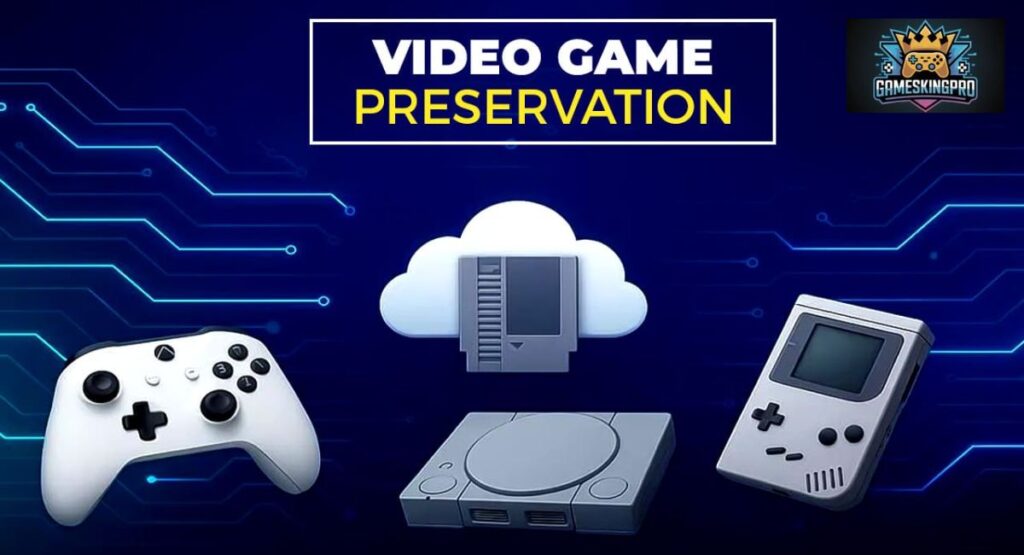
Video games face unique preservation challenges. Unlike books or films, games often depend on specialized hardware and software that become obsolete over time. Without active preservation efforts, many important titles could disappear permanently. This reality has increased the importance of organizations and projects dedicated to retro game preservation.
The Game Archives contributes to the broader mission of preservation of video games by ensuring that software remains accessible even when original hardware becomes difficult to maintain. This work protects an important part of cultural history while supporting research, education, and entertainment.
Why Digital Games Disappear Over Time
Many games vanish because physical media deteriorates. Cartridges fail. Optical discs degrade. Hardware components wear out. When combined with company closures and licensing issues, these factors create significant risks for long-term preservation.
Digital distribution introduces additional challenges. Online services shut down. Licensing agreements expire. Games disappear from storefronts without warning. Preservation efforts help address these risks before valuable content is lost forever.
Preserving Gaming History for Future Generations
Future historians will study video games much like they study books, films, and music today. Preserving these works helps document technological innovation, artistic expression, and cultural trends across multiple generations.
The Game Archives acts as a gaming preservation platform that supports this mission. By maintaining access to historical content, it helps ensure that future audiences can experience important games firsthand rather than relying solely on written descriptions.
The Cultural Value of Retro Games
Games reflect the societies that created them. They capture artistic styles, technological capabilities, and cultural interests from specific periods. Preserving these experiences allows future generations to better understand the evolution of entertainment and technology.
Many games also inspire strong emotional connections. Through gaming nostalgia, players revisit memories associated with family, friends, and important life moments. Preserving games helps preserve those cultural experiences as well.
Challenges Facing Modern Preservation Efforts
Preservation remains complicated because of evolving technology and legal concerns. Hardware becomes obsolete quickly while software often depends on proprietary systems that are difficult to replicate accurately.
Additional challenges arise from copyright law and intellectual property rights. Ownership structures can become complex when companies merge, close, or sell assets. These issues create ongoing obstacles for preservation organizations around the world.
Recent Updates and Improvements in 2026
TheGameArchives continues to evolve in response to user feedback and technological advances. Recent updates focus on improving accessibility, performance, and content organization. These changes help ensure that users can explore the archive more efficiently while enjoying a smoother overall experience.
The platform also continues expanding its collection and improving documentation standards. Better data organization makes it easier to locate specific titles while supporting long-term preservation goals.
Enhanced Search and Filtering Tools
Modern search systems help users navigate large collections more effectively. Improved filters allow visitors to sort games by genre, release year, platform, and other criteria. These features reduce the time required to locate specific titles.
Advanced search capabilities also improve access to classic game collections and historical records. Users can explore broader themes while discovering games they may not have considered previously.
Improved Browser Compatibility
Recent technical updates have strengthened mobile browser compatibility and expanded support across multiple platforms. These improvements allow more users to access content regardless of device type.
Compatibility enhancements also improve performance for modern browsers. Better optimization results in faster loading times and more stable gameplay experiences.
Faster Loading and Better Performance
Performance upgrades help reduce waiting times and improve overall responsiveness. Efficient data management and emulator optimization contribute to smoother operation across different hardware configurations.
These improvements benefit both casual players and researchers who spend extended periods exploring the archive. Better performance encourages deeper engagement with preserved content.
Expanded Documentation and Metadata
The archive now includes more comprehensive game documentation, historical records, and supporting materials. Expanded game metadata provides users with valuable information about development history, regional variations, and technical details.
Additional promotional materials and archival resources strengthen the educational value of the platform. These improvements support both preservation goals and user learning.
Security and User Experience Enhancements
Security remains a priority as digital platforms continue to evolve. Recent updates include improved account protection, data handling practices, and interface refinements that simplify navigation.
Together, these improvements create a more reliable and enjoyable experience. Users can focus on exploring gaming history rather than dealing with technical obstacles.
Navigation, Search Tools, and User Experience
Finding the right game inside a large archive can be challenging. The Game Archives Console solves this problem through smart navigation systems and user-friendly search tools. Users can browse by platform, genre, publisher, release year, or popularity. This structure makes the platform feel organized even though it contains thousands of preserved titles. Whether someone is searching for a famous release or exploring a forgotten game, the archive makes discovery simple and enjoyable.
The overall design focuses on accessibility. Pages load quickly, categories remain easy to understand, and search functions help users narrow results efficiently. This smooth experience encourages visitors to spend more time exploring the retro gaming library. It also helps researchers, collectors, and casual players access valuable information without frustration.
Finding Games by Console, Genre, or Release Year
Different users search for games in different ways. Some remember a specific title while others only remember a console or release period. The archive supports all of these approaches through flexible browsing options.
This level of organization transforms the platform into a powerful retro game database. Users can move through decades of gaming history and discover titles that match their interests without needing advanced technical knowledge.
Using Advanced Search Features
Advanced filters allow users to search by publisher, developer, player count, or game category. These tools make it easier to locate niche titles hidden within larger collections.
The search system also helps researchers identify trends across different eras. By examining game libraries through various filters, users gain deeper insight into the evolution of gaming technology and design.
Managing Favorites and Saved Progress
Many players enjoy returning to favorite games over time. The platform supports this habit through bookmarking features and personalized collections.
When available, save states allow players to continue their progress without restarting from the beginning. This convenience makes older games more approachable for modern audiences.
Community Ratings and Reviews
Community participation strengthens the archive. User feedback helps identify exceptional titles, technical issues, and hidden gems that deserve attention.
Many entries include community ratings and reviews that provide valuable guidance. These contributions help newcomers decide which games to explore while supporting the broader retro gaming community.
Legal, Ethical, and Copyright Considerations
Game preservation exists within a complex legal environment. While many people support preserving gaming history, ownership rights remain important. Developers, publishers, and rights holders often retain control over software decades after release. Understanding these legal realities helps users make informed decisions when accessing preserved content.
The debate surrounding preservation continues because gaming history and intellectual property sometimes pull in different directions. Preservation advocates argue that important works should remain accessible. Rights holders often focus on protecting commercial interests. Balancing these priorities remains one of the industry’s biggest challenges.
Understanding Video Game Copyright Laws
Modern copyright law protects games as creative works. These protections often remain active for many decades after publication. Even when games become difficult to purchase, legal ownership usually continues to exist.
As a result, preservation organizations must navigate complex regulations. Their work often focuses on historical access, education, and research rather than commercial distribution.
The Debate Around Game Preservation
Many preservation advocates argue that abandoned software deserves protection because it represents cultural history. Without preservation efforts, important titles could disappear permanently.
Critics sometimes express concerns about unauthorized distribution. This ongoing discussion shapes how archives operate and influences future preservation policies.
Intellectual Property Rights and Archived Games
Questions involving intellectual property rights become especially complicated when companies close or ownership changes hands. Some titles pass through multiple owners over the years.
These situations often affect orphaned games, where ownership remains difficult to identify. Preserving such works while respecting legal rights continues to challenge preservation organizations worldwide.
Best Practices for Responsible Retro Gaming
Players can support preservation by purchasing official game re-releases whenever possible. These releases demonstrate continued demand for classic content.
Services such as Nintendo Switch Online and PlayStation Plus Premium show that commercial preservation can coexist with historical archiving. Supporting these options encourages publishers to continue investing in preservation efforts.
The Game Archives vs Other Retro Gaming Archives
Several platforms focus on preserving gaming history. However, each archive approaches the task differently. Some prioritize educational resources while others emphasize gameplay access. Understanding these differences helps users choose the platform that best matches their needs.
The Game Archives stands out because it balances accessibility, historical context, and preservation goals. Instead of focusing solely on software access, it combines gameplay with educational resources that enrich the overall experience.
| Feature | TheGameArchives Console | Internet Archive | Emulator Sites |
| Browser Play | Yes | Yes | Limited |
| Historical Records | Extensive | Moderate | Minimal |
| Game Documentation | Strong | Moderate | Limited |
| User Experience | High | Moderate | Varies |
| Preservation Focus | Strong | Strong | Low |
Strengths of TheGameArchives
The platform excels as a gaming preservation platform because it combines accessibility with historical depth. Users gain access to both playable content and valuable educational materials.
Its focus on gaming culture preservation helps distinguish it from websites that simply host game files. This broader mission creates lasting value for researchers and enthusiasts alike.
Areas Where Other Platforms Excel
Some archives offer larger collections or additional download options. Others provide stronger support for research-focused projects and academic studies.
These differences do not necessarily make one platform better than another. Instead, they reflect different priorities within the preservation community.
Which Platform Is Best for Different Users?
Casual players often appreciate TheGameArchives because of its simplicity and accessibility. Researchers may prefer archives with extensive documentation and data resources.
Collectors, historians, and preservation advocates frequently use multiple platforms to gain a more complete understanding of gaming history.
Best Alternatives to TheGameArchives Console

Although TheGameArchives offers a strong preservation experience, other options remain available. Some focus on legal access through subscription services while others emphasize customization and hardware accuracy.
Exploring alternatives can help users find the solution that best fits their interests, budget, and technical experience.
Internet Archive
The Internet Archive remains one of the world’s most important digital preservation projects. It hosts software, books, media, and historical resources across many categories.
Its gaming section provides access to numerous preserved titles while supporting broader preservation initiatives beyond video games alone.
RetroArch
RetroArch is a powerful emulation platform that supports multiple systems through a unified interface. It offers advanced customization options and extensive compatibility.
Many enthusiasts choose RetroArch because it provides flexibility and control. However, new users may face a steeper learning curve compared to browser-based solutions.
Nintendo Switch Online and PlayStation Plus Premium
Subscription services such as Nintendo Switch Online and PlayStation Plus Premium offer legal access to selected classic games. These platforms continue to expand their retro libraries.
While their collections remain smaller than many archives, they provide officially licensed experiences that support rights holders directly.
Original Hardware and Physical Collections
Some enthusiasts prefer using original gaming hardware and collecting vintage game cartridges. This approach provides the most authentic experience possible.
However, rising prices and hardware maintenance challenges make physical collecting increasingly difficult. Preservation archives help bridge this accessibility gap.
The Future of TheGameArchives and Gaming Preservation
The future of game preservation looks promising as technology continues to improve. Better storage systems, more accurate emulation, and advanced documentation tools are making preservation efforts more effective than ever. These developments increase the likelihood that important games will remain accessible for generations.
At the same time, preservation organizations must adapt to changing technologies and legal environments. New challenges will emerge as cloud gaming, digital ownership models, and online-only experiences become more common.
The Role of Artificial Intelligence in Preservation
Artificial intelligence may help archives organize information more efficiently. Automated systems can analyze large collections, identify missing records, and improve search functionality.
AI tools may also assist with restoration projects, translation efforts, and metadata generation. These capabilities could significantly strengthen future preservation initiatives.
Cloud-Based Gaming Archives
Cloud technology offers exciting opportunities for preservation. Instead of relying on local hardware, future archives may stream games directly to users through advanced infrastructure.
This approach could improve accessibility while reducing technical barriers. More people would gain access to preserved content regardless of device limitations.
Digital Ownership Challenges
Modern games increasingly depend on online services, subscriptions, and cloud infrastructure. These trends create new preservation challenges because games may stop functioning when servers shut down.
Preservation organizations must develop strategies that address these risks while maintaining historical accuracy and accessibility.
The Future of Retro Gaming Communities
The growing retro gaming community will continue playing a vital role in preservation efforts. Enthusiasts often contribute research, documentation, and technical expertise that strengthen archives worldwide.
Their passion helps preserve not only games but also the stories and cultural significance behind them.
What TheGameArchives Could Look Like by 2030
By 2030, TheGameArchives may evolve into an even more advanced game archive platform. Expanded collections, improved emulation accuracy, and stronger educational resources could transform it into one of the world’s leading preservation projects.
As gaming preservation efforts continue to grow, platforms like TheGameArchives will play an increasingly important role in protecting gaming history.
Conclusion
The Game Archives Console is more than a place to play old games. It helps preserve gaming history while giving players easy access to classic titles from different generations. Whether you enjoy retro adventures, rare discoveries, or learning about the evolution of gaming, TheGameArchives Console offers a unique experience that combines entertainment with education.
As retro gaming continues to grow, TheGameArchives Console plays an important role in protecting valuable digital memories. Its collection of classic games, historical resources, and preservation efforts makes it a valuable platform for both longtime gamers and new players. If you want to explore gaming’s past and understand its lasting impact, TheGameArchives Console is a great place to start.
FAQ’s
Is console gaming ending?
No, console gaming is still growing. New hardware, exclusive games, and online services continue to attract millions of players worldwide.
What are the top 5 gaming consoles?
The top gaming consoles currently include PlayStation 5, Xbox Series X, Xbox Series S, Nintendo Switch, and Steam Deck.
What is the big 3 of consoles?
The “Big 3” refers to Nintendo, PlayStation, and Xbox, which dominate the global console gaming market.
What’s the next gaming console coming out?
Nintendo’s next-generation console, the Nintendo Switch 2, is the most anticipated recent console release.
Who is the king of consoles?
PlayStation is often considered the king of consoles due to its strong game library, global popularity, and record-breaking sales.

Welcome to Gameskingpro! I’m Touqeer Ahmad Sial, an AI-Powered SEO Link Building, and Content Writer with 4 years of experience.
help websites rank higher, grow traffic, and look amazing. My goal is to make SEO and web design simple and effective for everyone.Let’s achieve more together!
